

🔖 Myths of Family Dynamics
“ADHD doesn’t just affect one person. It shifts how a whole family functions — and how it can heal.”
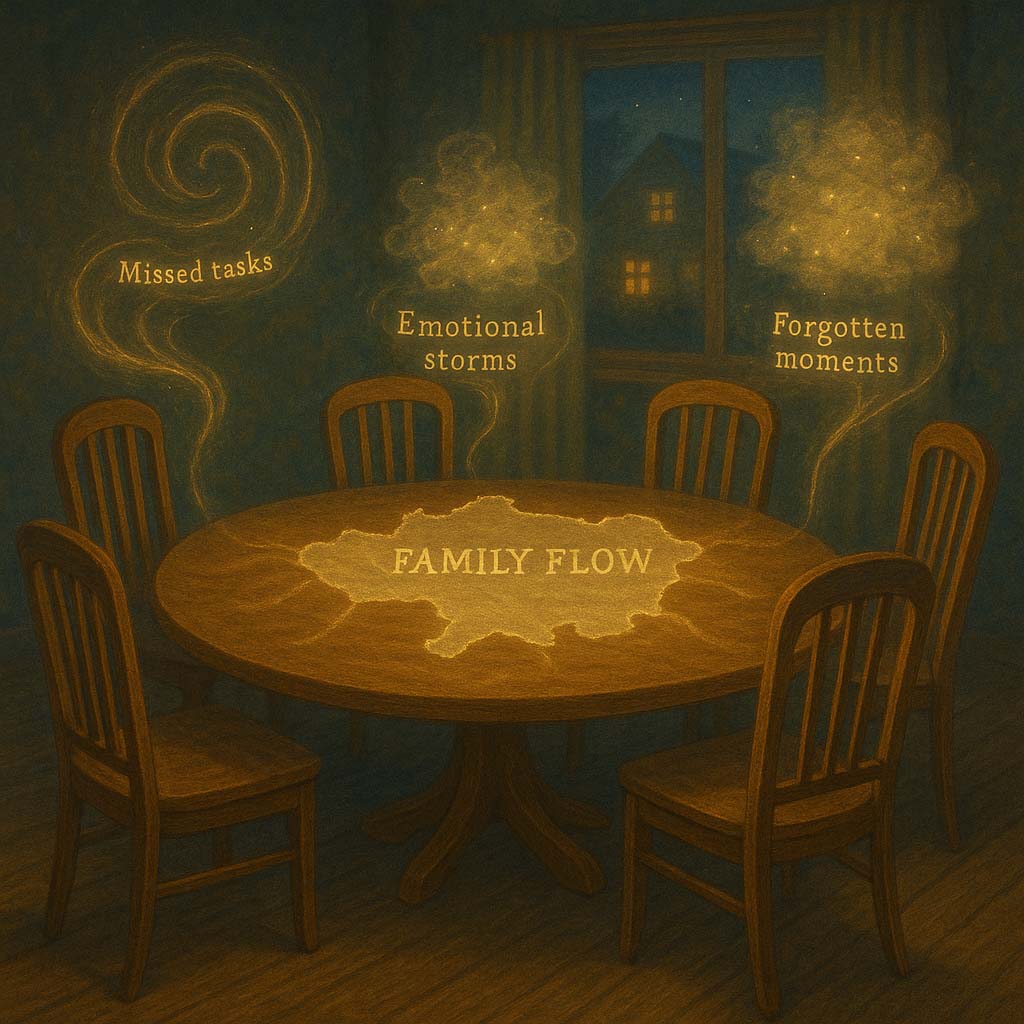
When one person in a family has ADHD, the ripple effects touch everyone. Missed chores, emotional outbursts, forgotten conversations, inconsistent follow-through — these moments can feel personal and exhausting. But what looks like defiance, selfishness, or immaturity is often a sign of executive dysfunction, internal chaos, or burnout. In this section, we dismantle the myths that fuel resentment and explore how families can move from policing behaviour to building shared structure. The goal isn’t perfect equality — it’s sustainable balance, with everyone growing in compassion, clarity, and collaborative strength.
💡 Myth Busting 101
Adult ADHD: Myth Busting 101 dismantles the misconceptions that shape how ADHD is judged, treated, and lived with in adulthood.
Working myth by myth, the book replaces stereotypes and blame with evidence, understanding, and compassion. Across nine themed sections — from diagnosis and medication to work, relationships, and strengths — it helps readers recognise patterns rather than personalise struggle.
Written by a psychiatrist–therapist team specialising in adult ADHD, this is a guide for adults with ADHD, those who love them, and the professionals who support them.
Not about lowering standards. About raising understanding — and rewriting the story.
Please note the books available on Amazon are soft cover, the images are hard cover mock ups of the soft cover books.
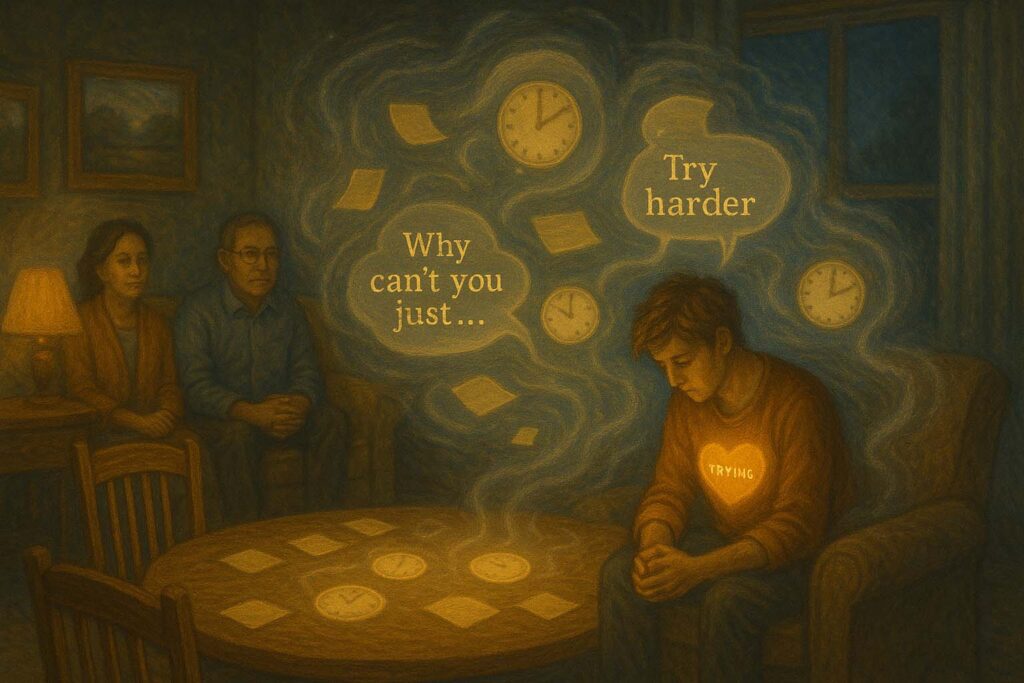
“They’re just being difficult — they don’t respect the family.”
✅ Truth: ADHD often interferes with things that signal care in a family — showing up on time, remembering birthdays, or responding calmly. But these lapses aren’t proof of disrespect — they’re signs of a brain struggling with timing, regulation, and overwhelm. Most adults with ADHD are trying — but quietly failing behind the scenes, full of guilt and shame. When we interpret their struggle as defiance, we miss their efforts and risk fracturing trust instead of fostering it.
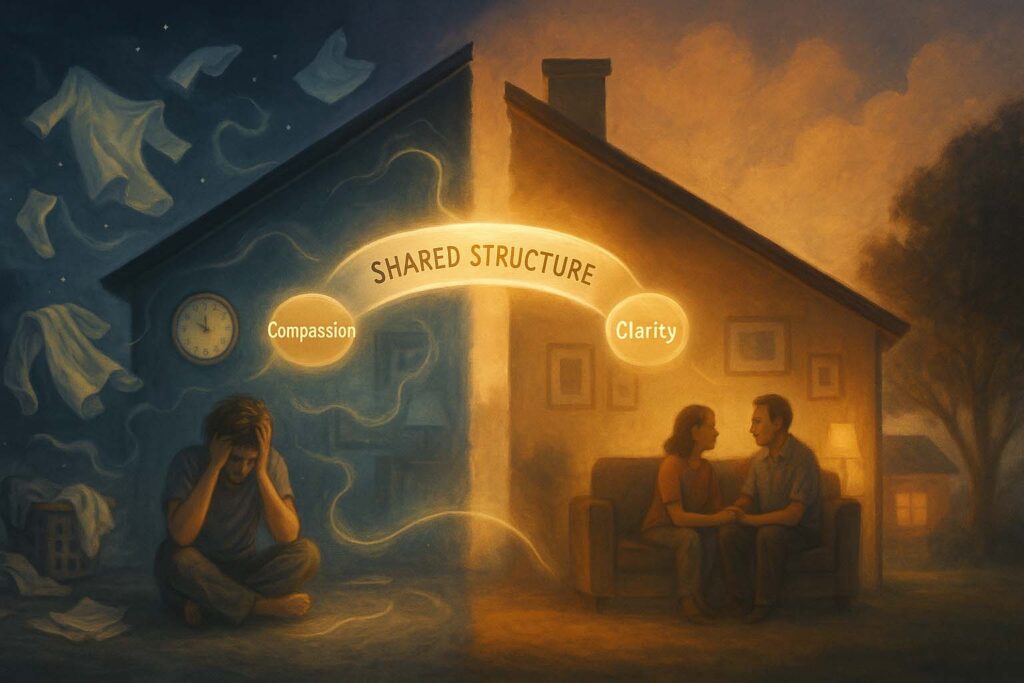
“They’re ruining the peace at home — they need to get it together.”
✅ Truth: In ADHD households, emotional storms, clutter, and unpredictability can spike stress — but framing it as a one-person issue leads to blame and burnout. Families are systems, not solo acts. Peace doesn’t come from control — it comes from structure, shared responsibility, and compassion. Everyone benefits when roles are flexible, expectations are clear, and no one is forced to over-function while the other under-functions.

“If I don’t remind them, nothing gets done.”
✅ Truth: You’re not imagining things — reminders often act as external executive function in ADHD households. But this doesn’t mean you’re doomed to nag forever. With the right scaffolds — like shared calendars, alarms, written checklists, and task breakdowns — your role can shift from constant monitor to strategic partner. Helping someone become more independent is possible — but it starts with system-building, not scolding.
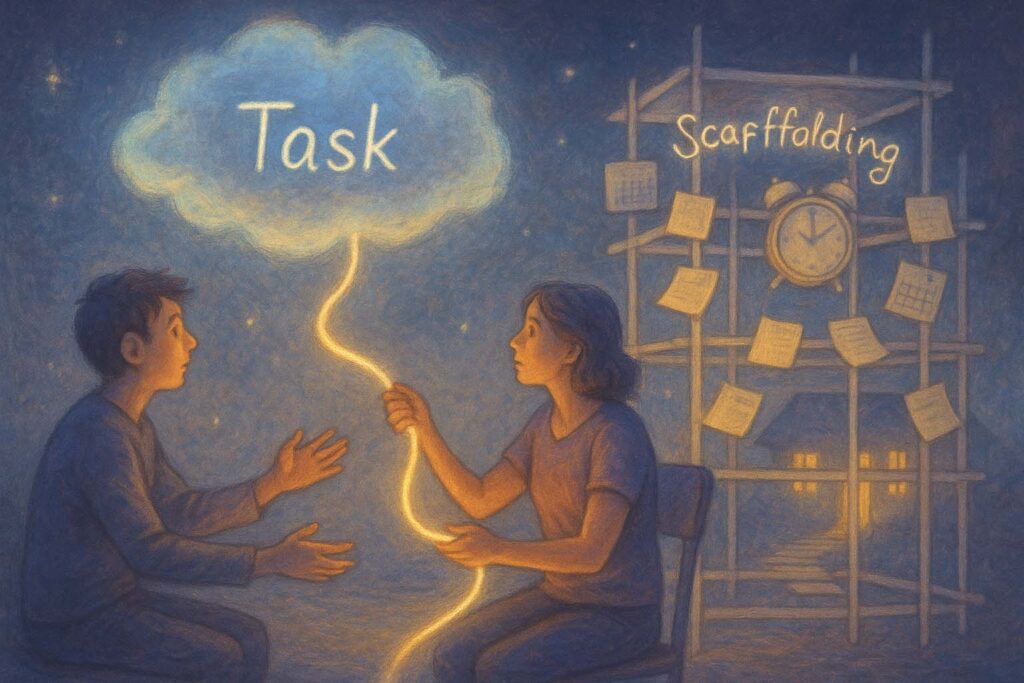
“If I don’t remind them, nothing gets done.”
✅ Truth: You’re not imagining things — reminders often act as external executive function in ADHD households. But this doesn’t mean you’re doomed to nag forever. With the right scaffolds — like shared calendars, alarms, written checklists, and task breakdowns — your role can shift from constant monitor to strategic partner. Helping someone become more independent is possible — but it starts with system-building, not scolding.
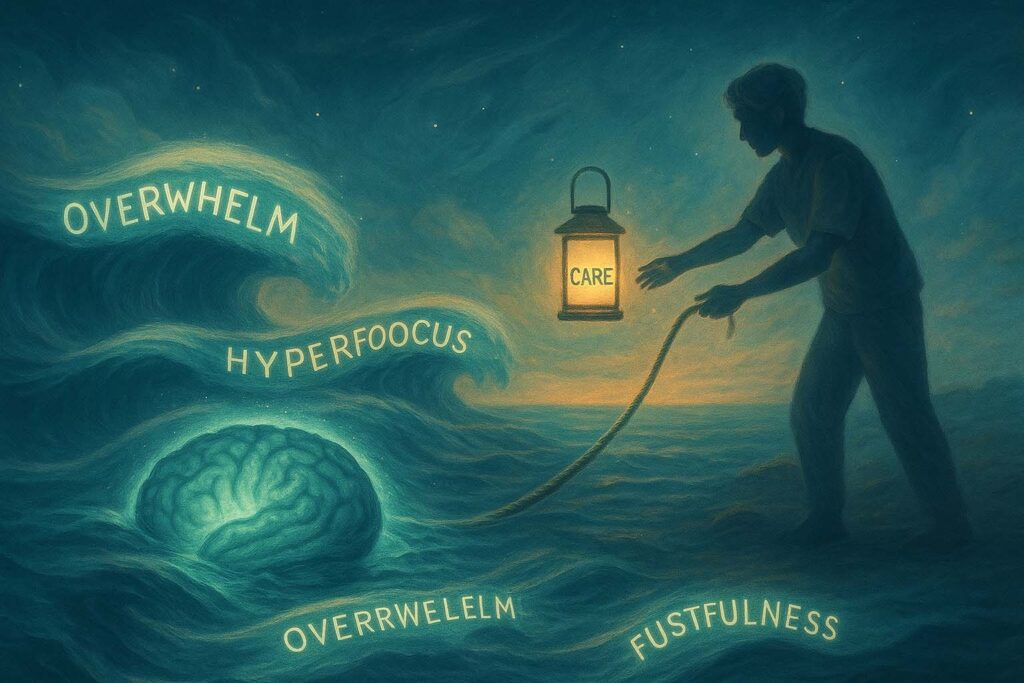
“They’re just being selfish.”
✅ Truth: ADHD symptoms like hyperfocus, forgetfulness, or irritability can look selfish — but they’re often signs of internal overload. When the brain is flooded or distracted, it deprioritises social cues and empathy — not because the person doesn’t care, but because they’re in cognitive triage. Gently naming this and co-creating rituals for reconnection (like check-in times or shared responsibilities) helps shift the dynamic from hurt to healing.
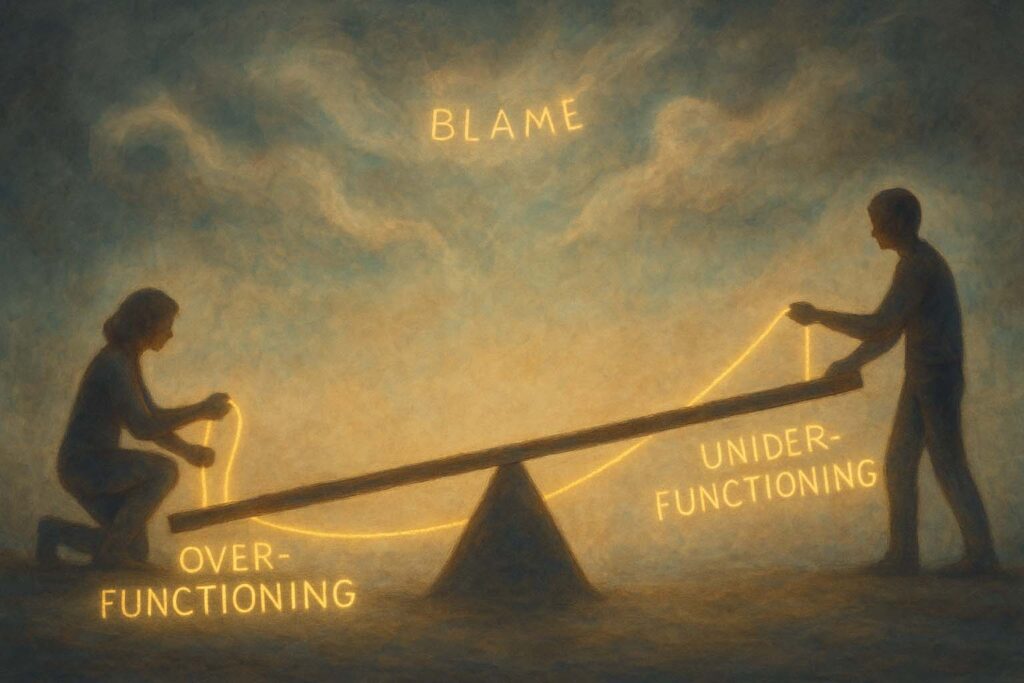
“They always make me the bad guy.”
✅ Truth: In many ADHD relationships, an over-functioning/under-functioning loop develops. One partner becomes the enforcer, the other the “chaos agent.” But these roles aren’t fixed — they’re feedback loops shaped by stress and miscommunication. The solution isn’t blame — it’s shared understanding and negotiated boundaries. When both parties name their needs, the system can rebalance — not perfectly, but powerfully.
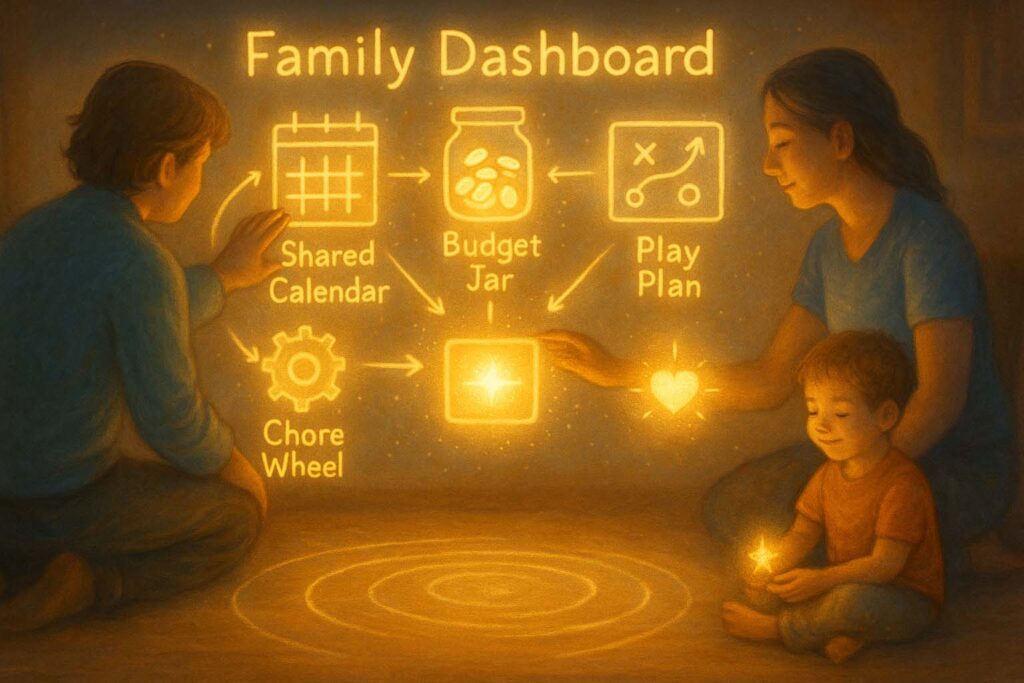
“They’ll never be able to co-parent, run a home, or share a budget.”
✅ Truth: With the right supports — automation, visual routines, financial coaching, clear roles — adults with ADHD can thrive as partners and parents. Their creativity, playfulness, and intensity can be huge assets. But without structure, stress leads to shutdown. They don’t need to be “fixed” — they need to be scaffolded, with systems that support follow-through and co-ownership of family life.
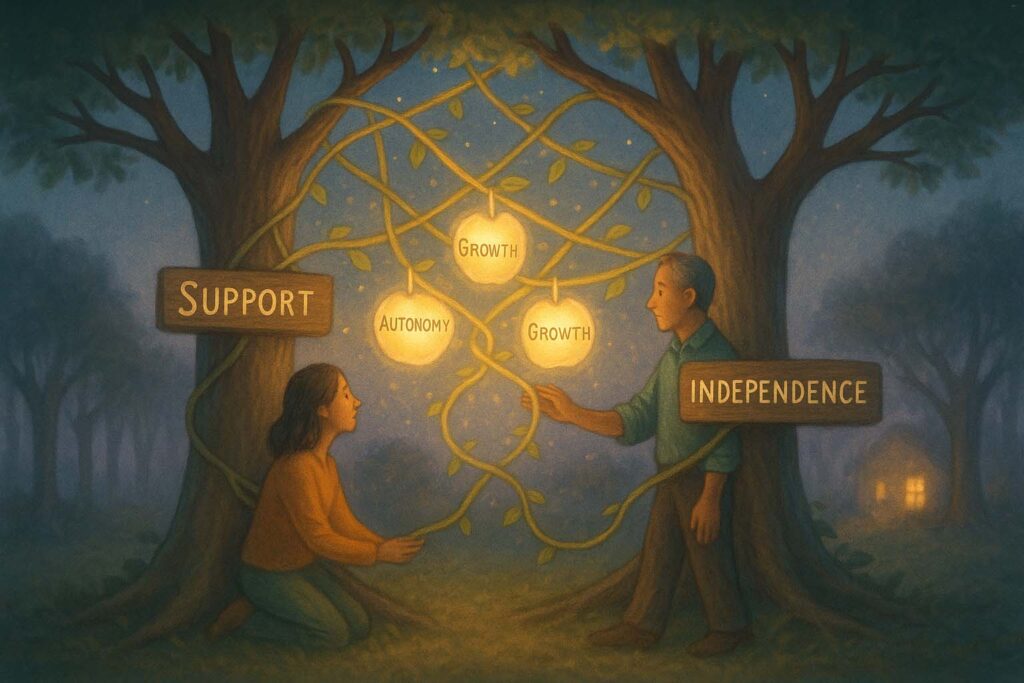
“They need to grow up and stop depending on me.”
✅ Truth: Independence isn’t the opposite of support — it’s the result of it. For adults with untreated ADHD, emotional and functional maturity may be delayed. But with compassionate scaffolding — coaching, collaborative planning, structured decision-making — interdependence can evolve into autonomy. Pressure without support creates collapse. Growth without shame creates momentum.
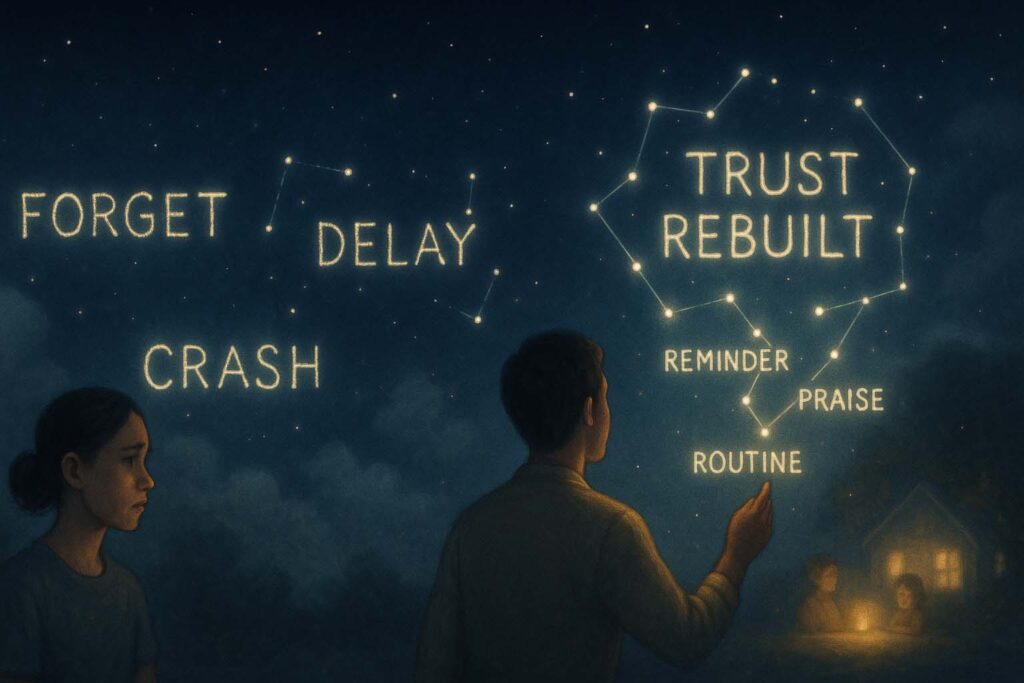
“They’re not reliable — I can’t trust them.”
✅ Truth: Reliability in ADHD isn’t built on willpower — it’s built on systems. With reminders, check-ins, and realistic pacing, trust can be rebuilt. Repetition, not reprimand, creates results. Saying, “You did what you said you’d do — thank you” reinforces the behaviour you want to see. Shaming ADHD brains makes them freeze. Encouragement helps them engage — and gradually become more dependable.
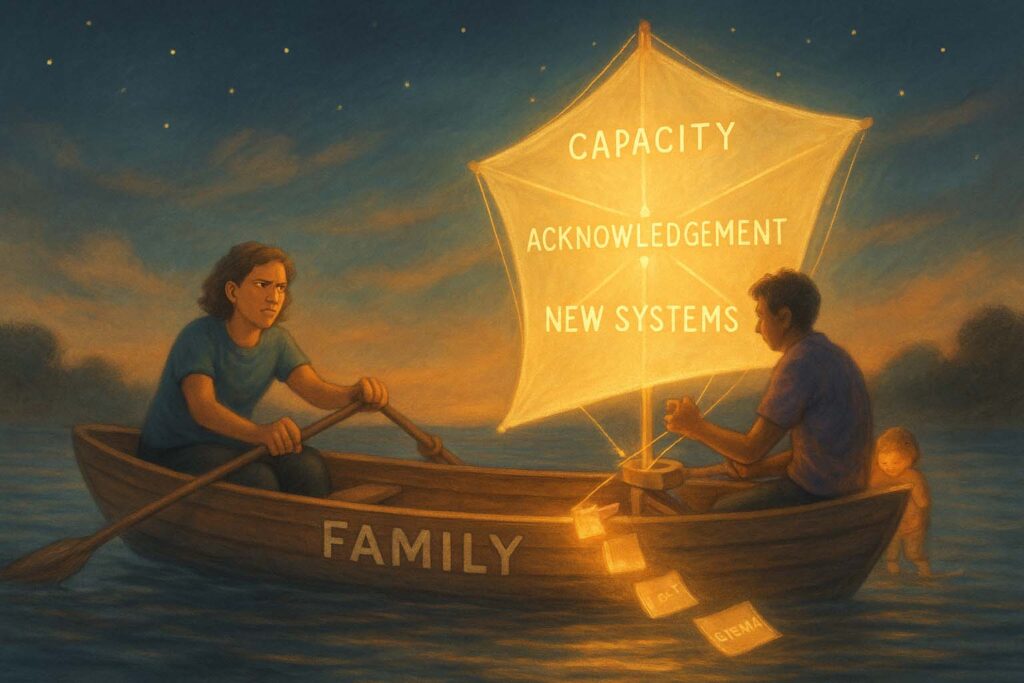
“It’s not fair that I have to do more — they’re the one with the problem.”
✅ Truth: Fairness doesn’t always mean equal effort — it means shared care. Every relationship has seasons where one person carries more. But over time, both need space to rest and to rise. Naming frustrations is healthy. But so is understanding capacity, building balance, and making invisible labour visible. When both people feel seen and supported, relationships become more resilient and sustainable.
🌟 From Fracture to Family Flow
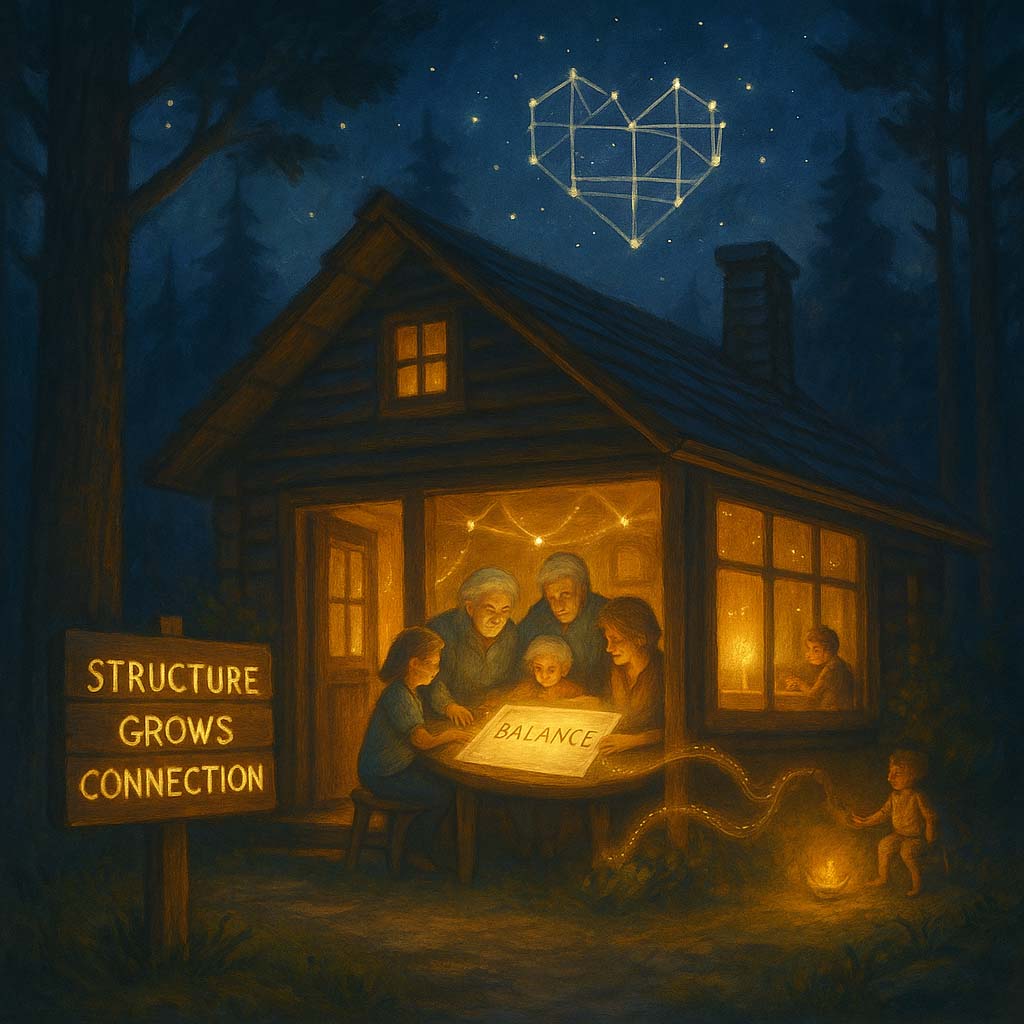
Living with ADHD in the family isn’t easy — but it’s not hopeless. When we replace myths with understanding, we stop treating our loved ones like problems to be fixed and start supporting them as people doing their best with a differently wired brain. Relationships heal when roles are flexible, structures are shared, and both care and capacity are recognised. ADHD doesn’t destroy families — misunderstanding does. But empathy, scaffolding, and shared growth? That can rebuild everything.
Mon - Fri: 8AM - 6PM
Sat - Sun: Variable
Brisbane North Medical Specialists,
15 Dallas Parade, Keperra, QLD 4054
(07) 5221 3489
reception@bnms.com.au