

🔖 Cultural Myths
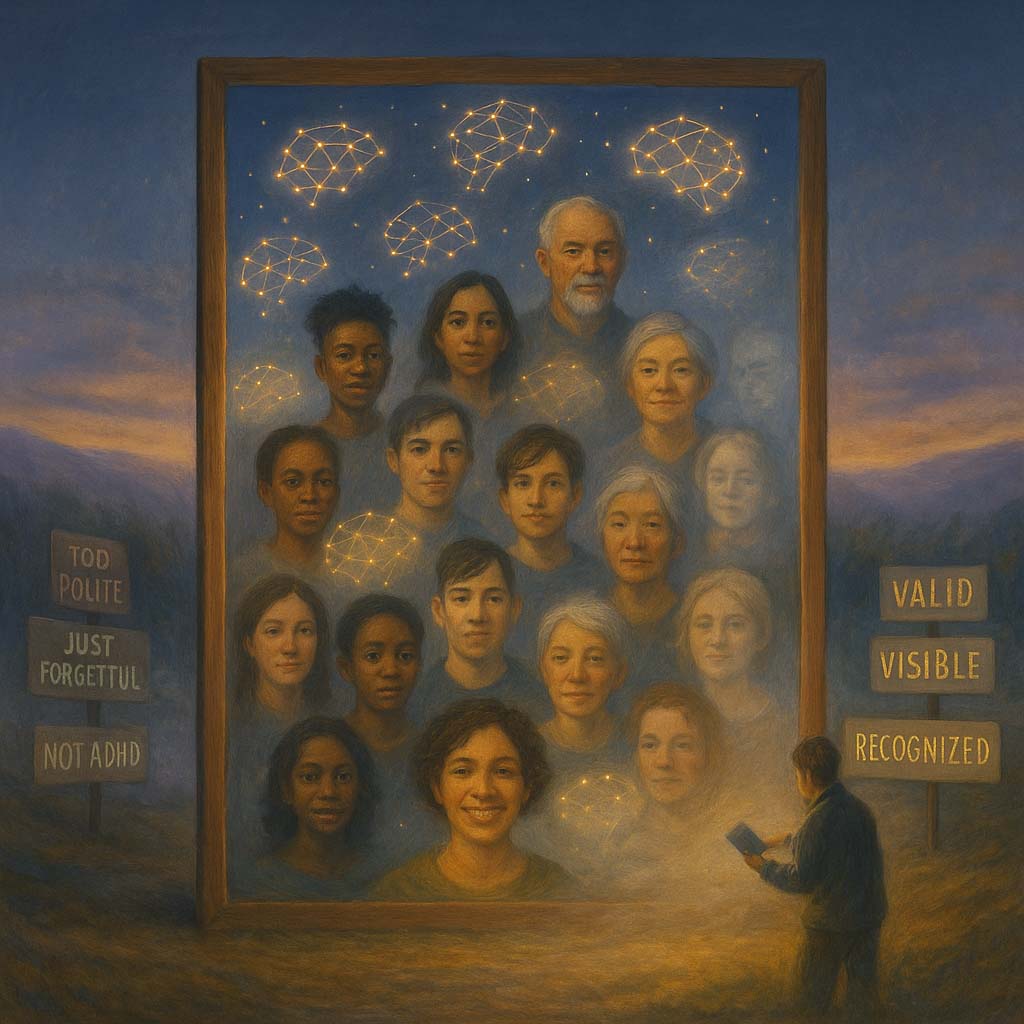
“ADHD doesn’t look the same in every body, every culture, or every age. But it’s just as real.”
ADHD is often stereotyped as a hyperactive boy bouncing off walls — but this narrow view erases the lived experience of millions. Girls, women, people of colour, older adults, and individuals from diverse cultural backgrounds are chronically underdiagnosed — not because ADHD is absent, but because it presents differently or is misinterpreted through cultural lenses. In this section, we confront the myths that keep people invisible and unsupported. You’ll learn how masking, gender roles, stigma, and diagnostic bias all contribute to decades of misunderstanding — and how recognition can be the first step toward representation, validation, and healing.
💡 Myth Busting 101
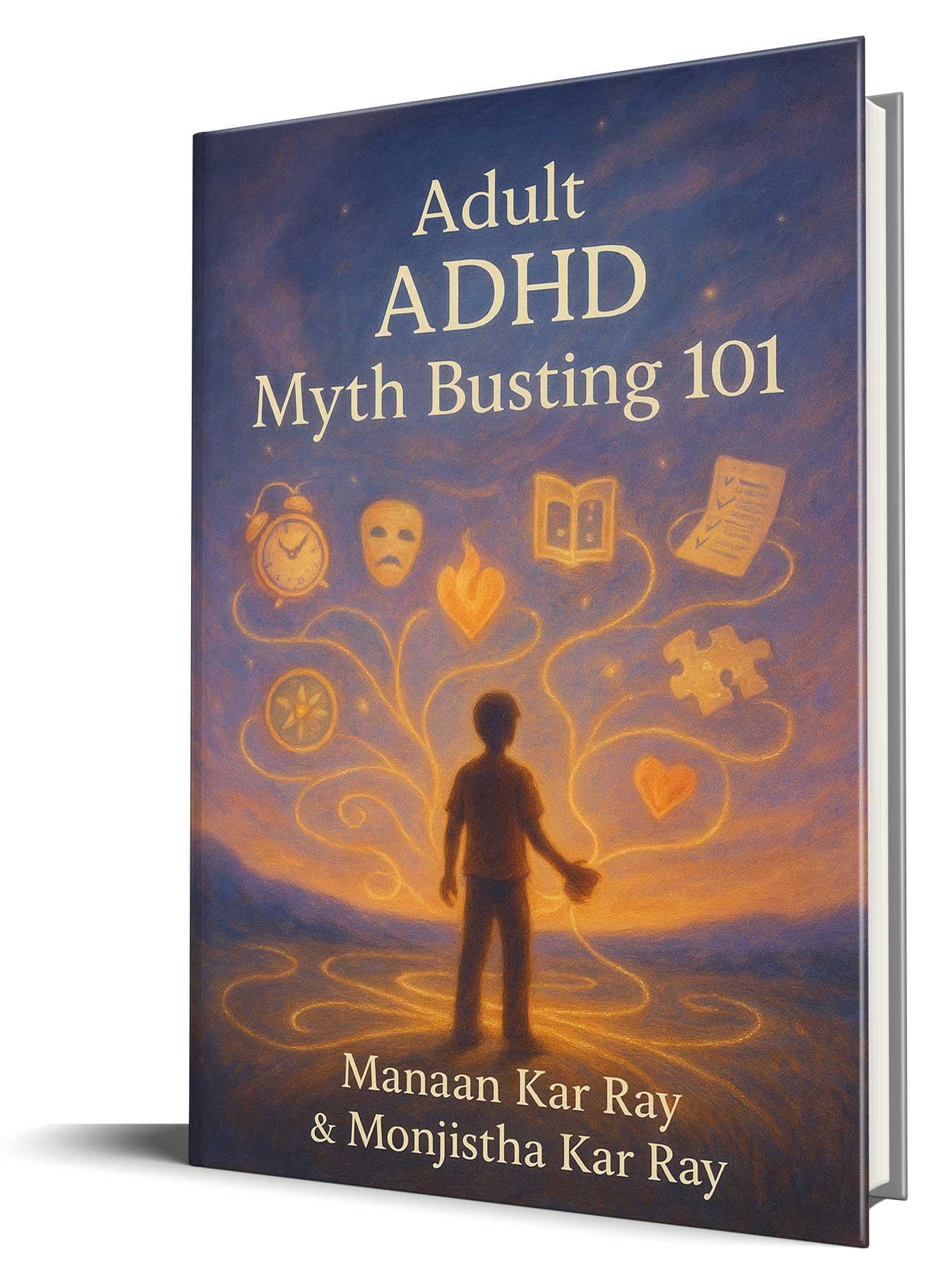
Adult ADHD: Myth Busting 101 dismantles the misconceptions that shape how ADHD is judged, treated, and lived with in adulthood.
Working myth by myth, the book replaces stereotypes and blame with evidence, understanding, and compassion. Across nine themed sections — from diagnosis and medication to work, relationships, and strengths — it helps readers recognise patterns rather than personalise struggle.
Written by a psychiatrist–therapist team specialising in adult ADHD, this is a guide for adults with ADHD, those who love them, and the professionals who support them.
Not about lowering standards. About raising understanding — and rewriting the story.
Please note the books available on Amazon are soft cover, the images are hard cover mock ups of the soft cover books.
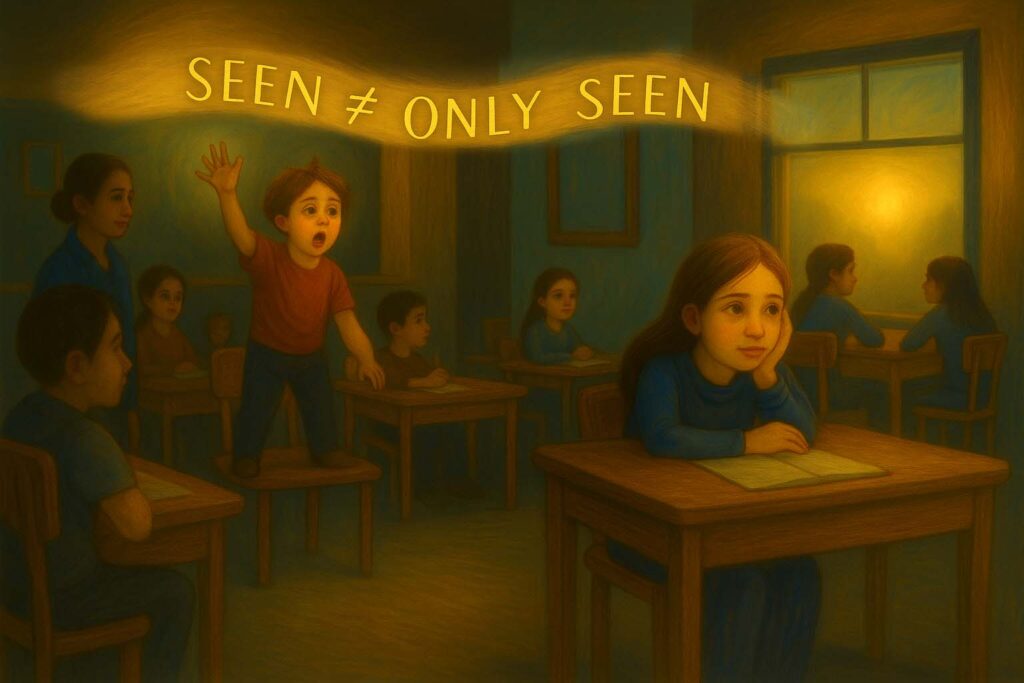
“ADHD is mostly a male condition.”
✅ Truth: ADHD affects all genders — but looks different in girls, women, and gender-diverse individuals. Boys are more often diagnosed because their hyperactivity is external and disruptive. Girls are more likely to internalise symptoms — presenting as inattentive, daydreamy, perfectionistic, or anxious. Studies show girls are diagnosed later, if at all, and often carry more shame. It’s not less real — it’s just less recognised due to outdated diagnostic frameworks and societal expectations of how girls should behave.
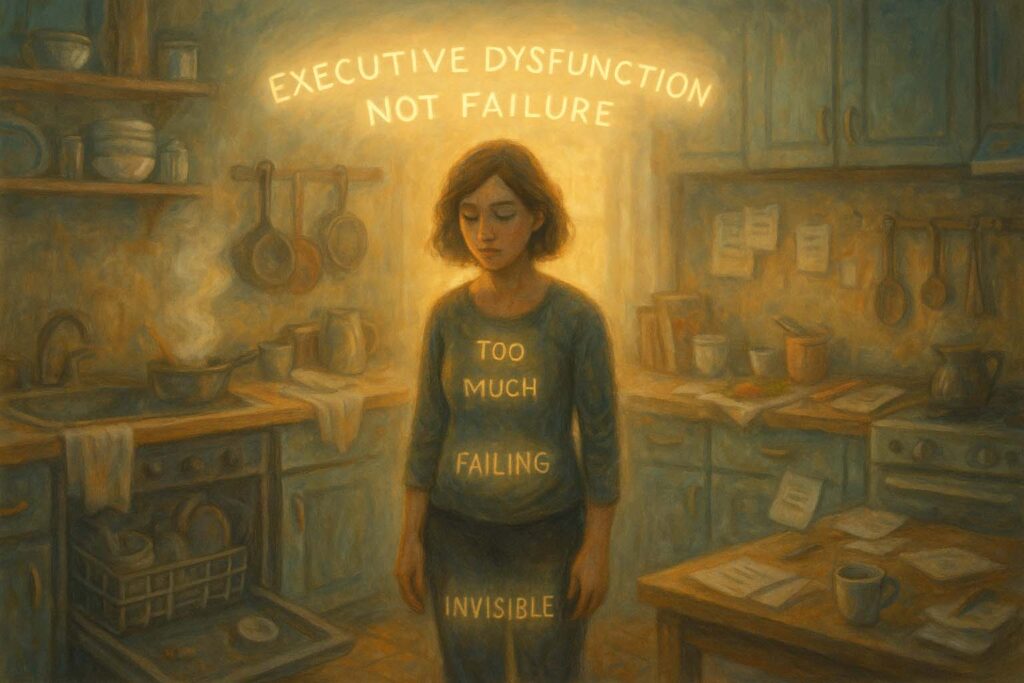
“Women are just overwhelmed — it’s not ADHD.”
✅ Truth: Many adult women with ADHD are misdiagnosed with anxiety or depression, because that’s what their exhaustion looks like. But under the surface lies executive dysfunction: the inability to organise, prioritise, and regulate emotions. Hormonal fluctuations — especially around menstruation, pregnancy, and menopause — can amplify ADHD symptoms. When women finally receive a diagnosis, it often reframes their entire life story: not as weakness, but as years of unseen neurodivergence.
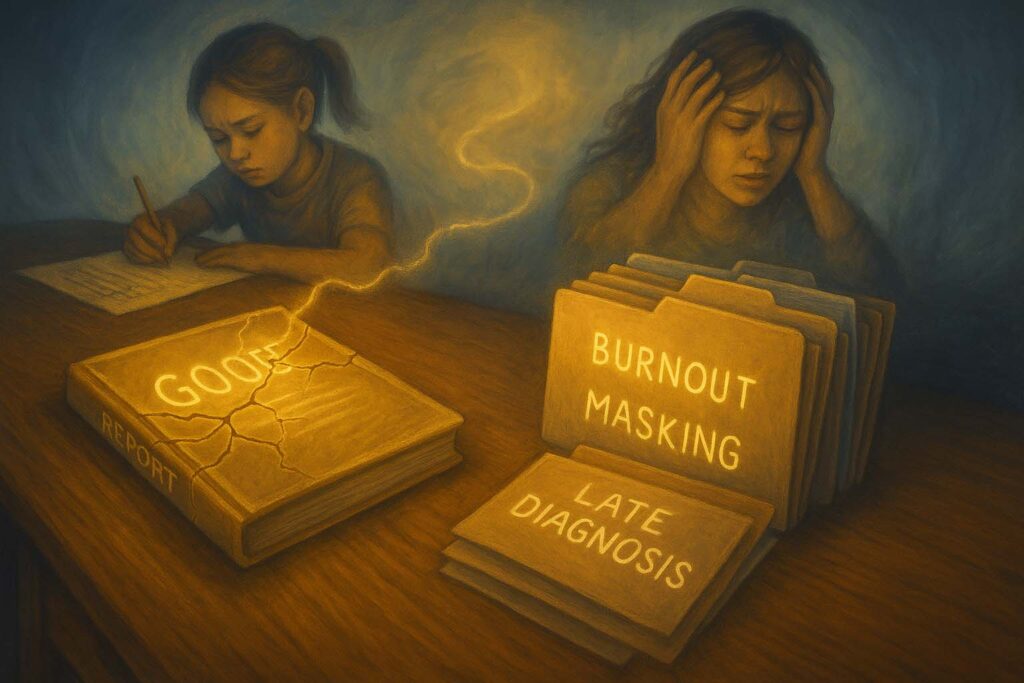
“They didn’t have problems in school, so it can’t be ADHD.”
✅ Truth: Success in school doesn’t rule out ADHD. Some individuals excel due to high intelligence, external structure, or masking behaviours — especially in environments with rigid routines. But as adult life adds complexity (multiple roles, shifting schedules, fewer supports), their coping strategies often collapse. The issue isn’t how well they did then — it’s how much they’re struggling now. ADHD often goes unnoticed until the scaffolding falls away.
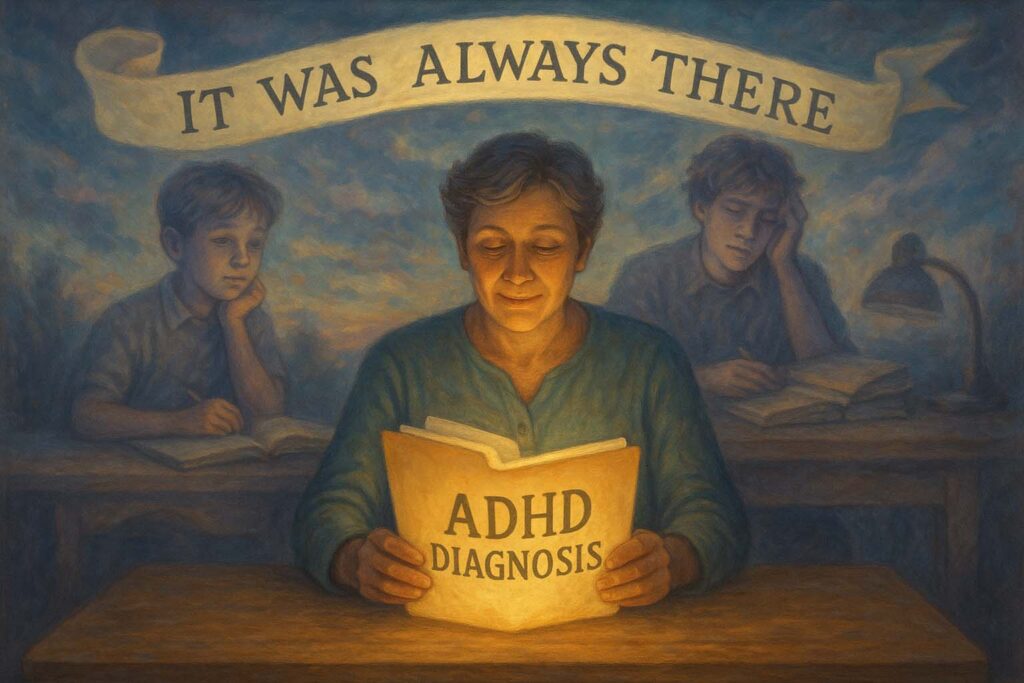
“You can’t be diagnosed with ADHD after 40.”
✅ Truth: Many adults aren’t diagnosed until their 40s, 50s, or even later — especially if they weren’t disruptive as children, or if cultural expectations suppressed emotional expression. These individuals often describe decades of masking, burnout, and self-blame. A late diagnosis doesn’t mean it wasn’t always there — it just means it was hidden beneath expectations and misunderstanding. It’s never too late to discover that you weren’t lazy — you were undiagnosed.
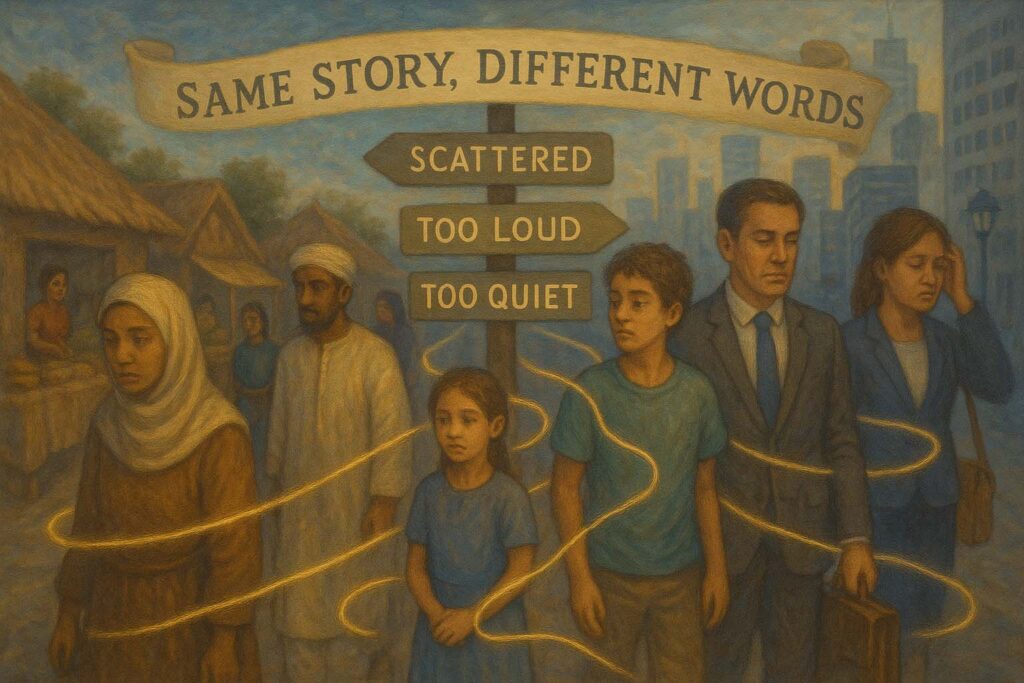
“It’s a Western diagnosis — we didn’t have this growing up.”
✅ Truth: ADHD exists in every culture. What differs is the language and label, not the experience. Many cultures described ADHDers as “scattered,” “troublemakers,” “absent-minded,” or “too sensitive” — without understanding the neurological basis. Global studies confirm ADHD rates are consistent across populations, but diagnosis is shaped by healthcare access, stigma, and awareness. Just because it wasn’t named doesn’t mean it wasn’t felt.

“It’s a first-world problem.”
✅ Truth: ADHD is not a luxury diagnosis — it’s a neurodevelopmental condition that affects people across income levels and continents. In fact, lack of resources in underprivileged areas often makes ADHD more disabling, not less. Without support, individuals may face increased risk of school failure, unemployment, incarceration, or substance misuse. The difference isn’t the prevalence — it’s whether systems are equipped to see, understand, and support it.
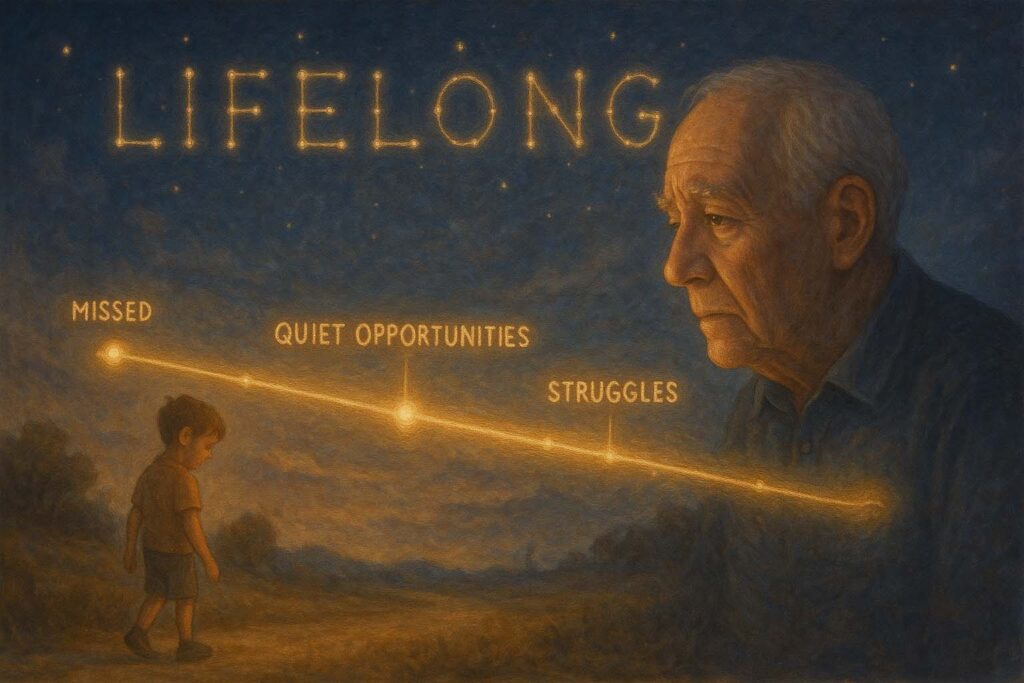
“Older adults don’t have ADHD — they’re just forgetful.”
✅ Truth: ADHD doesn’t disappear with age. In older adults, it may present as disorganisation, distractibility, emotional reactivity, or task avoidance — often misinterpreted as early cognitive decline. Many elders were never diagnosed because ADHD wasn’t widely recognised when they were younger. For them, diagnosis can bring profound relief and clarity. Forgetfulness happens to everyone — but lifelong patterns of executive dysfunction suggest something deeper than age-related memory loss.
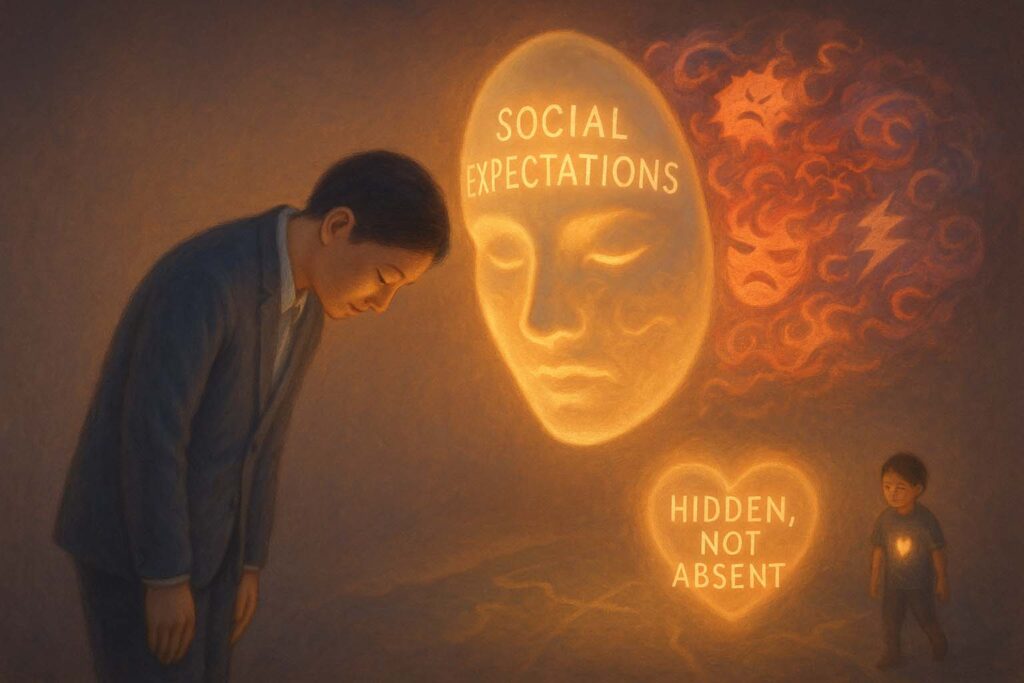
“They can’t have ADHD — they’re so polite/respectful/composed.”
✅ Truth: Many cultures teach children — especially girls — to suppress emotional expression and strive for politeness. This masking leads to “quiet” ADHD, where symptoms are hidden behind social compliance, people-pleasing, or perfectionism. A composed exterior doesn’t mean internal calm. In fact, many people with ADHD are deeply overwhelmed behind their well-managed masks. Diagnostic systems must look beyond behaviour to understand what’s happening inside.
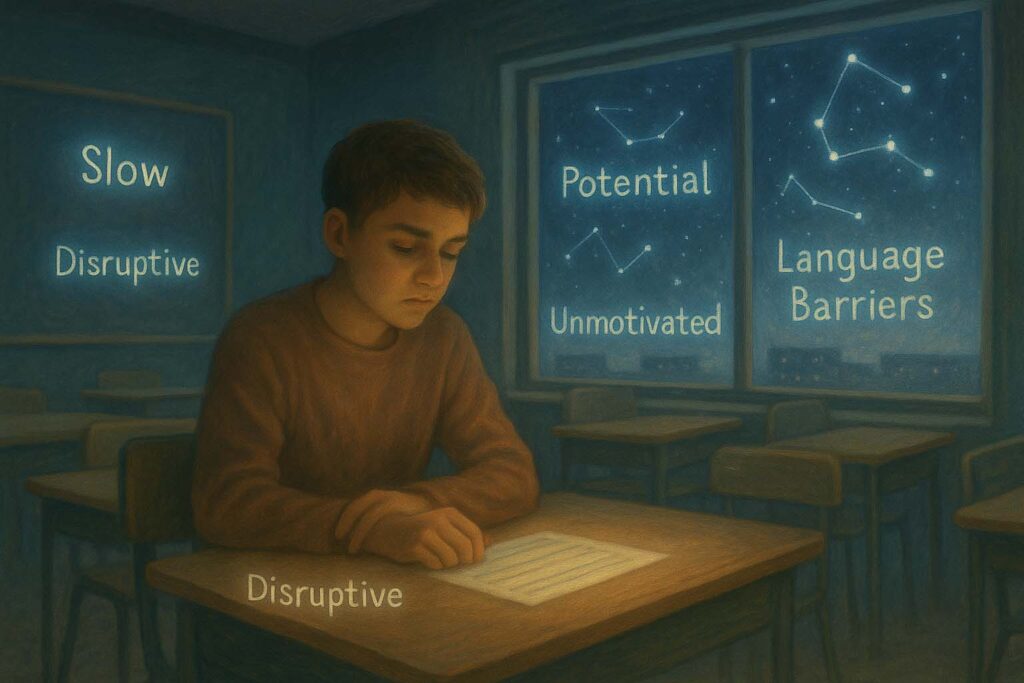
“They’re just bad at English/schooling — that’s not ADHD.”
✅ Truth: ADHD is often hidden beneath language barriers, trauma, learning differences, and systemic racism. Immigrant and marginalised communities may lack access to culturally sensitive assessments, or may be wrongly labeled as “difficult” or “unmotivated.” Intelligence and potential get buried under misunderstanding. For many, a true ADHD diagnosis rewrites a story of perceived failure into one of resilience, adaptation, and misrecognised strength.
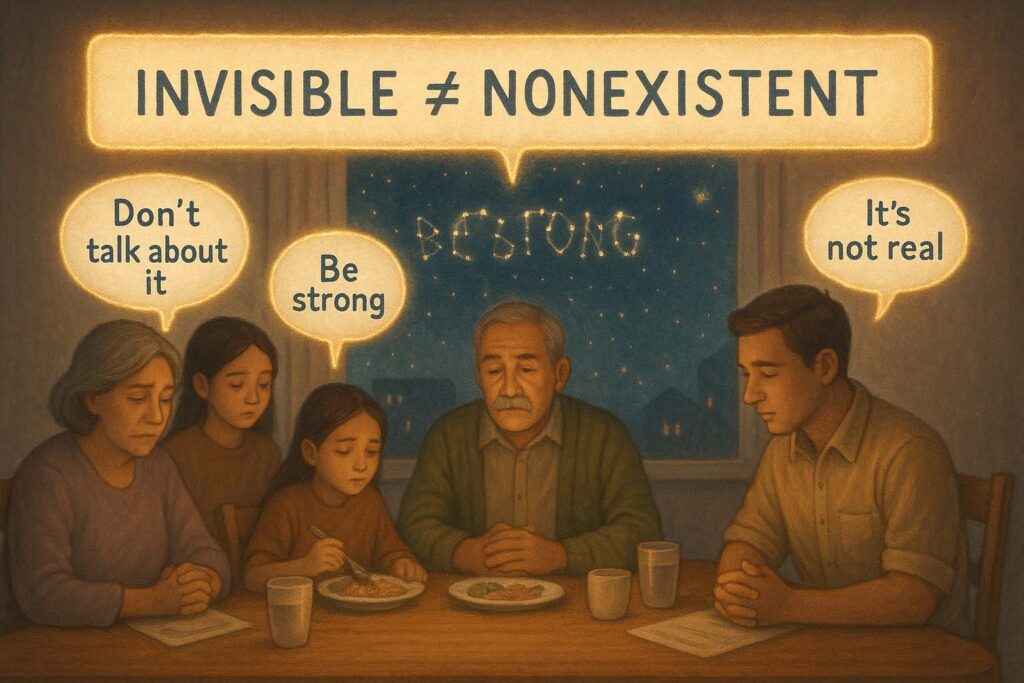
“People in our culture don’t have mental health issues like that.”
✅ Truth: Mental health stigma runs deep — but it doesn’t erase neurological conditions. ADHD is often swept under the rug in cultures where emotional expression is discouraged or academic achievement is everything. But silence doesn’t mean absence. It means pain is carried quietly, and support is withheld. Cultural competence in diagnosis and treatment helps people feel seen — not judged or erased.
🌟 From Misrecognised to Reclaimed
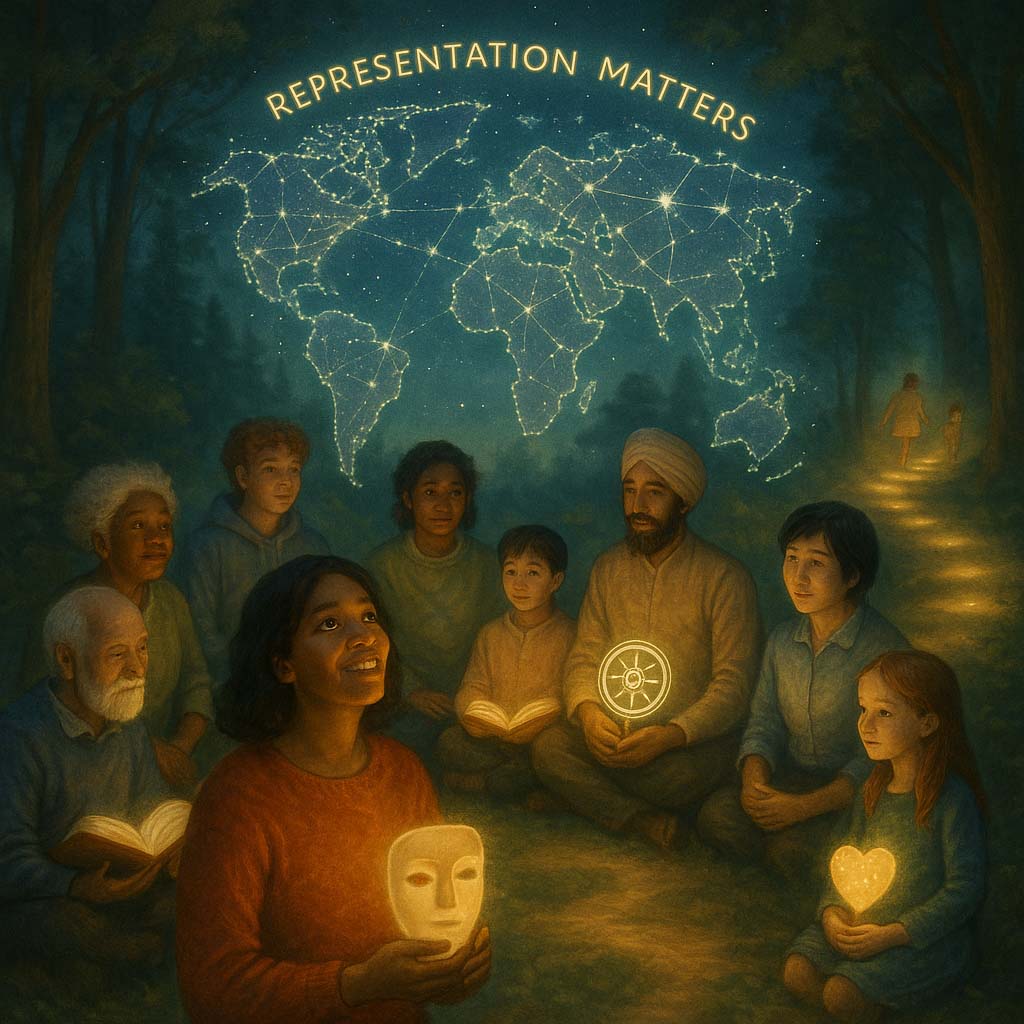
ADHD doesn’t have one face, one voice, or one cultural expression — and yet it lives in every community. The tragedy is not in the condition, but in how many people are told they don’t qualify for help because they don’t match the stereotype. Visibility matters. Representation matters. When we expand our view of who “counts” as having ADHD, we stop pathologising difference — and start supporting diverse brilliance. The journey from misrecognised to reclaimed identity begins with seeing what was always there, in plain sight.
Mon - Fri: 8AM - 6PM
Sat - Sun: Variable
Brisbane North Medical Specialists,
15 Dallas Parade, Keperra, QLD 4054
(07) 5221 3489
reception@bnms.com.au