

🔖 Executive Function Myths
“Clutter isn’t laziness. Missed deadlines aren’t carelessness. These are executive function breakdowns — not moral failings.”
Organisation problems are among the most visible — and most misunderstood — symptoms of adult ADHD. Missed appointments, chaotic workspaces, forgotten tasks, and abandoned projects often get misread as irresponsibility, apathy, or poor upbringing. But beneath the mess lies a deeper truth: the ADHD brain struggles to manage complexity, sustain attention, and track time. This section explains how executive function overload leads to clutter, inconsistency, and emotional burnout — not because someone isn’t trying, but because they’re constantly fighting their own cognitive wiring. These truths help shift the narrative from frustration to function — and remind us that tools and empathy work far better than blame.
💡 Myth Busting 101
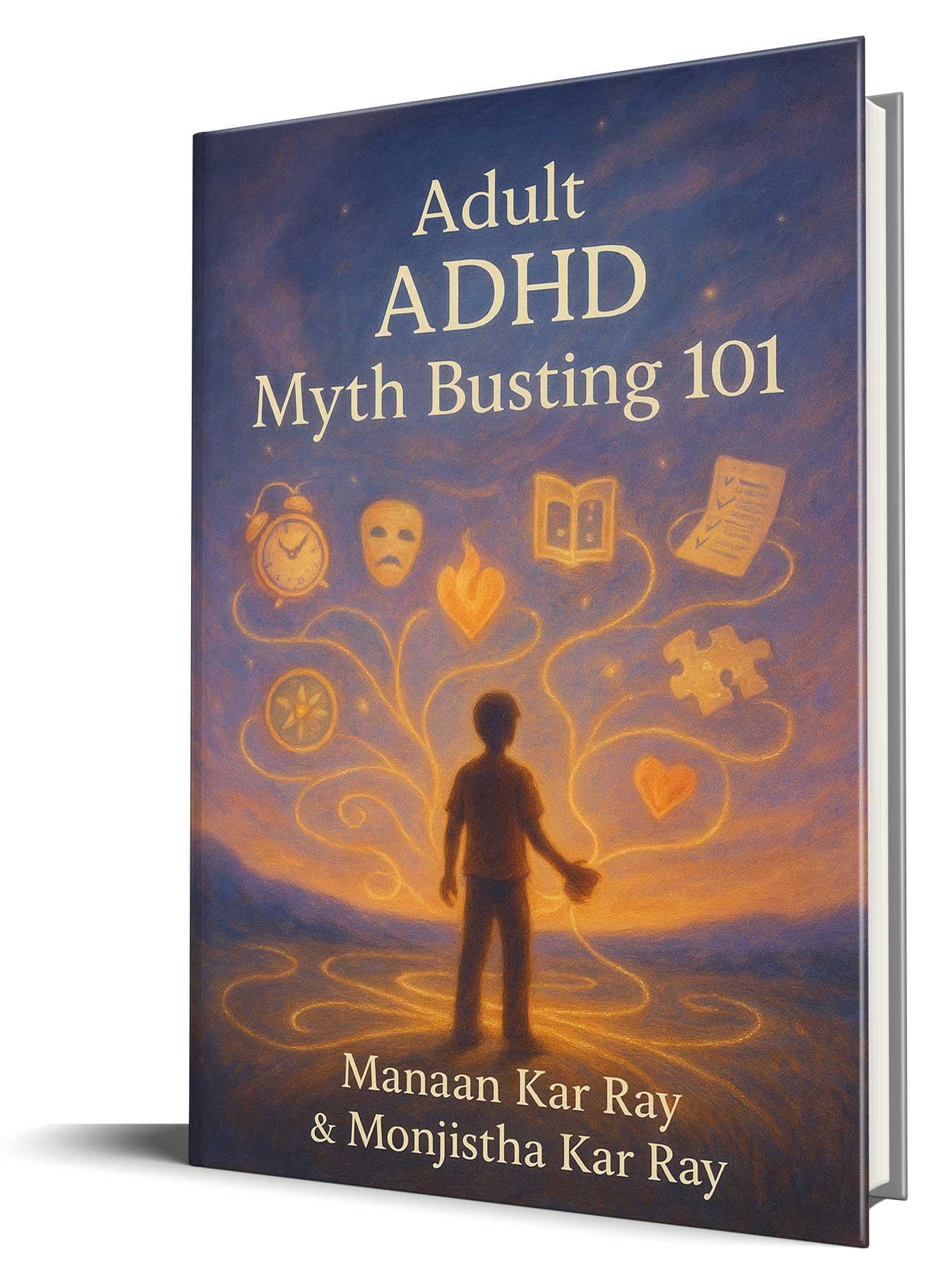
Adult ADHD: Myth Busting 101 dismantles the misconceptions that shape how ADHD is judged, treated, and lived with in adulthood.
Working myth by myth, the book replaces stereotypes and blame with evidence, understanding, and compassion. Across nine themed sections — from diagnosis and medication to work, relationships, and strengths — it helps readers recognise patterns rather than personalise struggle.
Written by a psychiatrist–therapist team specialising in adult ADHD, this is a guide for adults with ADHD, those who love them, and the professionals who support them.
Not about lowering standards. About raising understanding — and rewriting the story.
Please note the books available on Amazon are soft cover, the images are hard cover mock ups of the soft cover books.
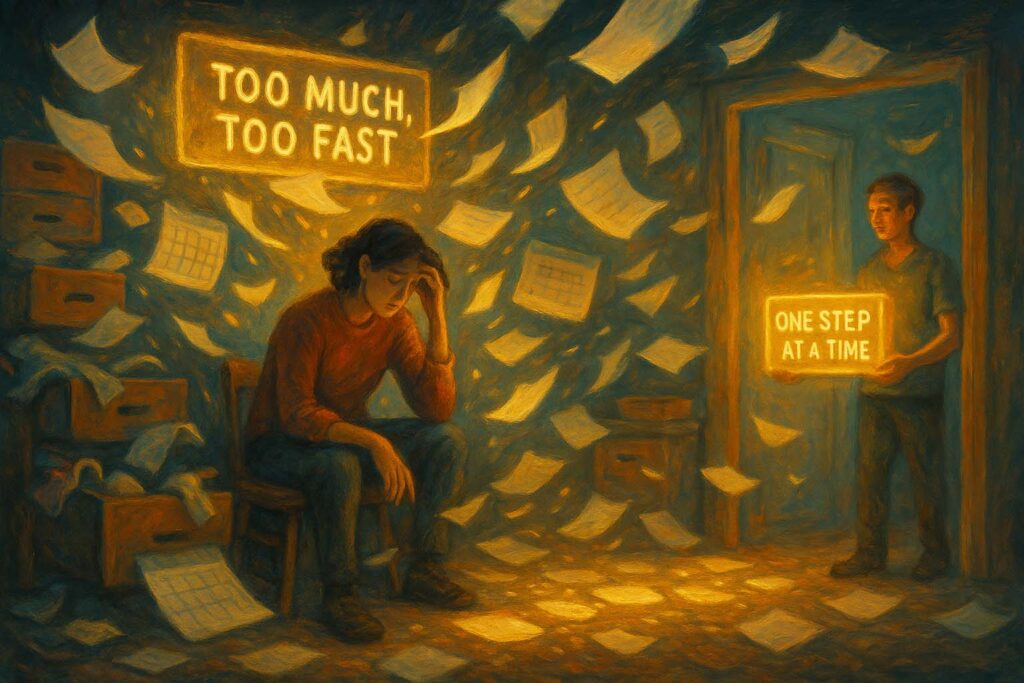
“They’re so disorganised because they don’t care.”
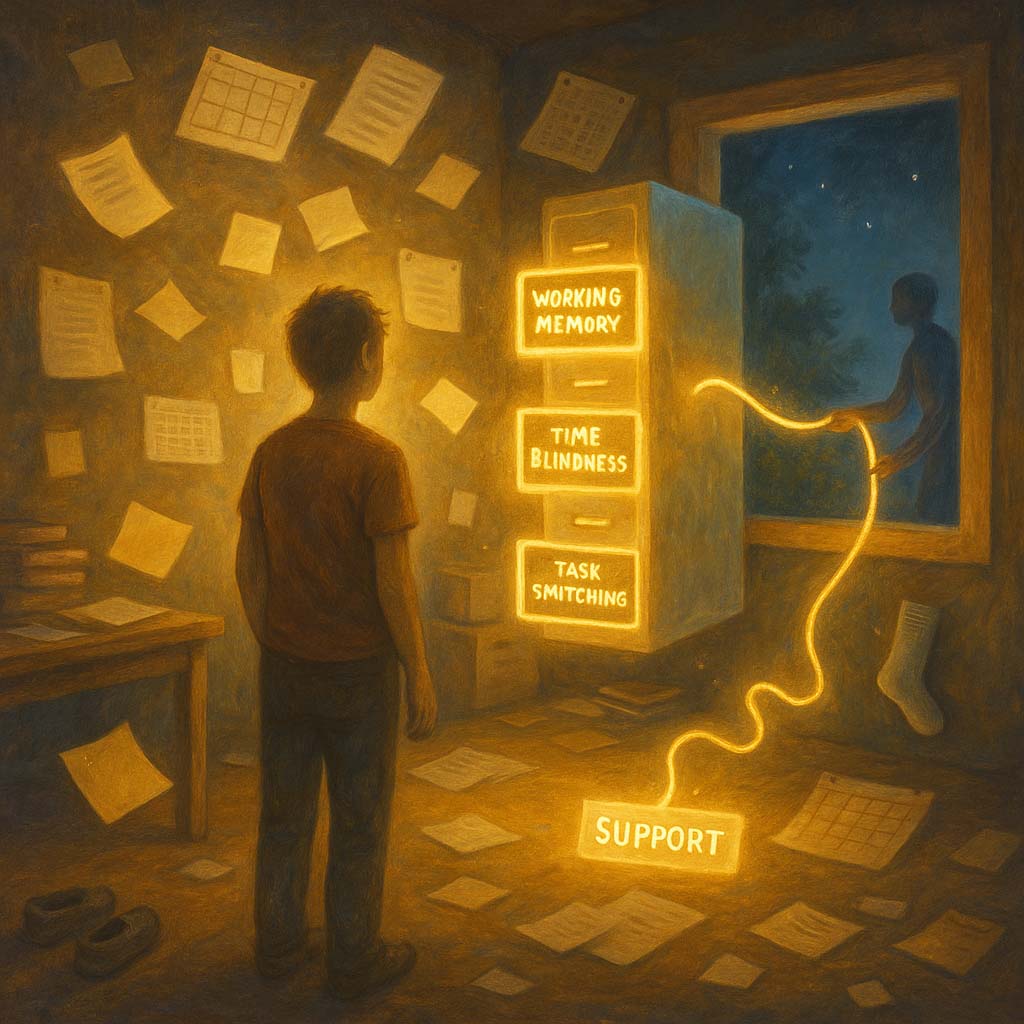
✅ Truth: Disorganisation in ADHD isn’t caused by apathy — it’s a reflection of executive function overload. Working memory limitations, poor task switching, and overstimulation make it hard to sort, prioritise, and remember what goes where. A cluttered environment often mirrors a cluttered mind: not because the person doesn’t care, but because they’re managing too much at once. What helps is breaking down tasks, simplifying systems, and offering visual cues — not judging from the surface.
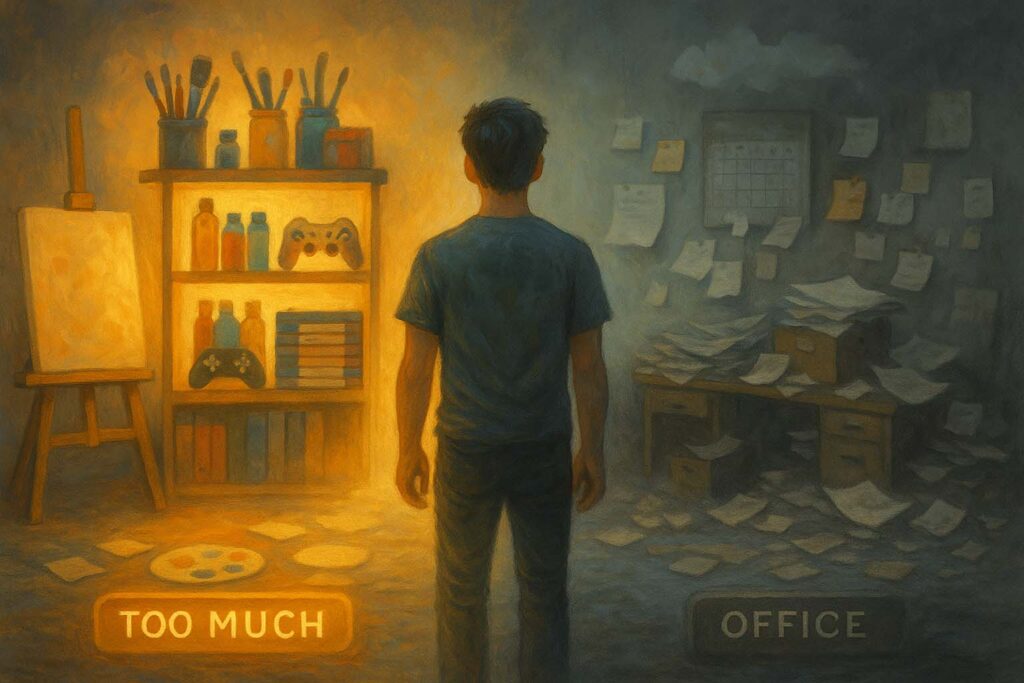
“They can organise their video games or art supplies — so they’re just being selective.”
✅ Truth: ADHDers can focus beautifully when something is interesting, novel, or emotionally rewarding. That’s not inconsistency — it’s a neurological trait called interest-based nervous system. It explains why someone might sort Pokémon cards with precision, but be unable to file tax papers. The difference isn’t effort — it’s dopaminergic engagement. To build lasting systems, they need to be visually stimulating, emotionally relevant, and easy to maintain — not just important.

“They just need a better planner.”
✅ Truth: A planner only works if it matches how the ADHD brain works. Traditional linear tools often fail because they rely on sustained attention, memory, and delayed gratification — all challenges for ADHD. What tends to work better are tactile, visual, flexible systems — whiteboards, colour-coded blocks, sticky notes, or digital reminders with alerts. Even the best planner won’t work unless it’s supported by habits, routines, and gentle accountability. The key isn’t more tools — it’s the right tools.

“They always wait until the last minute because they don’t plan ahead.”
✅ Truth: ADHD disrupts time perception. Many adults with ADHD live in what’s called “time blindness” — where everything is either now or not now, with little sense of the in-between. This leads to underestimating how long tasks take, forgetting transitions, or simply losing track of time. Lateness is rarely about disrespect — it’s about a brain that doesn’t register urgency unless it’s imminent. Supportive solutions include visual timers, countdown apps, time anchors, and transitional rituals.

“They never finish anything.”
✅ Truth: Adults with ADHD often start projects with passion — but as novelty fades, executive fatigue, emotional dysregulation, or perfectionism take over. It’s not a lack of care — it’s a breakdown in task persistence and sequencing. They may have many unfinished “bridges” to show for their effort. With support (body doubling, deadline mapping, visual progress trackers), these bridges can be completed. What’s needed isn’t more motivation — it’s scaffolding to cross the finish line.
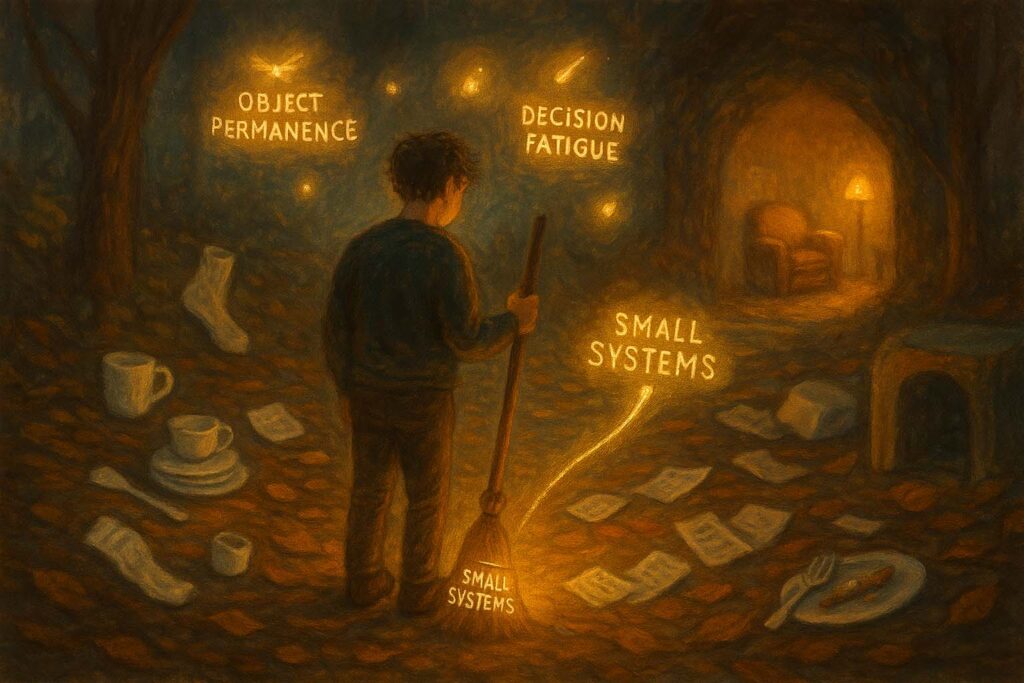
“They’re always messy — they must not be trying.”
✅ Truth: Mess is not moral failure. For ADHDers, visual clutter can lead to cognitive overload, making clean-up feel like climbing a mountain. Decision fatigue, object permanence (“out of sight, out of mind”), and shame-based paralysis all contribute. Many want to tidy — they just can’t do it in the way or timeframe others expect. Success comes when clean-up systems are small, timed, routine-based, and non-judgemental — not when they’re triggered by guilt.

“They’re unreliable — you can’t count on them.”
✅ Truth: ADHD affects consistency, not character. When someone says they’ll do something and doesn’t, it’s usually due to working memory lapses, planning failures, or energy crashes — not disregard. But unreliability is painful, especially in relationships. The antidote? Collaborative systems of accountability — shared calendars, check-ins, prompts, and mutual understanding. When supported, adults with ADHD can absolutely become reliable — but it takes partnership, not punishment.
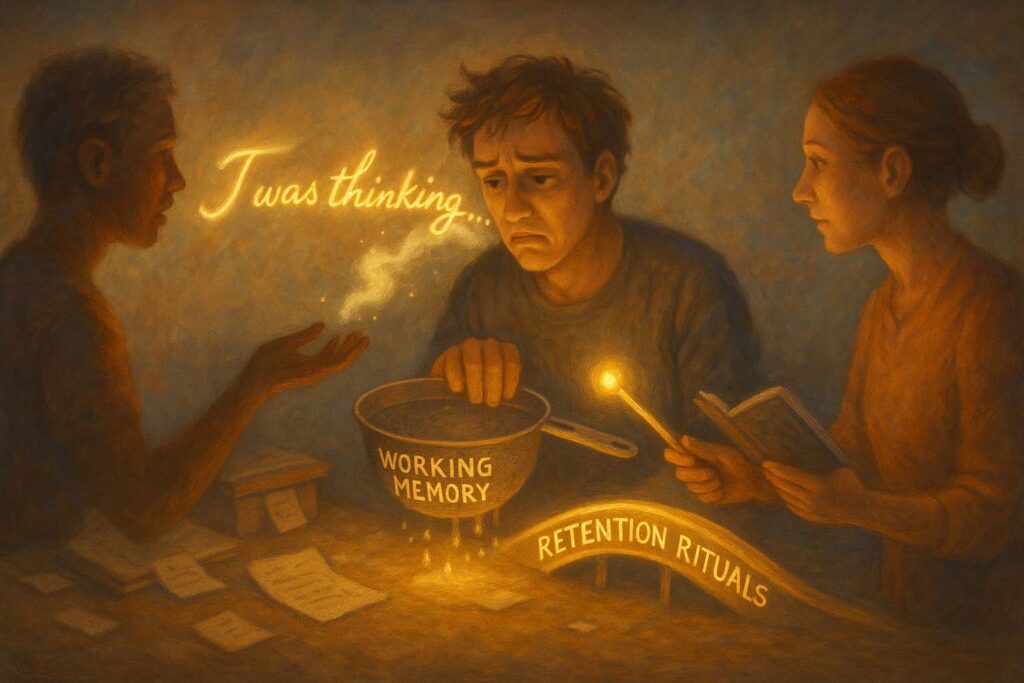
“They forget everything — they must not be listening.”
✅ Truth: ADHD separates hearing from encoding. A person with ADHD might listen intently and still forget because their brain doesn’t automatically store the information. Stress, multitasking, or emotional overload can worsen this gap. Forgetting isn’t the same as not caring — it’s often a sign they’re maxed out. Support strategies like writing things down, asking for repeats, or using verbal cues can help bridge the attention–memory divide.
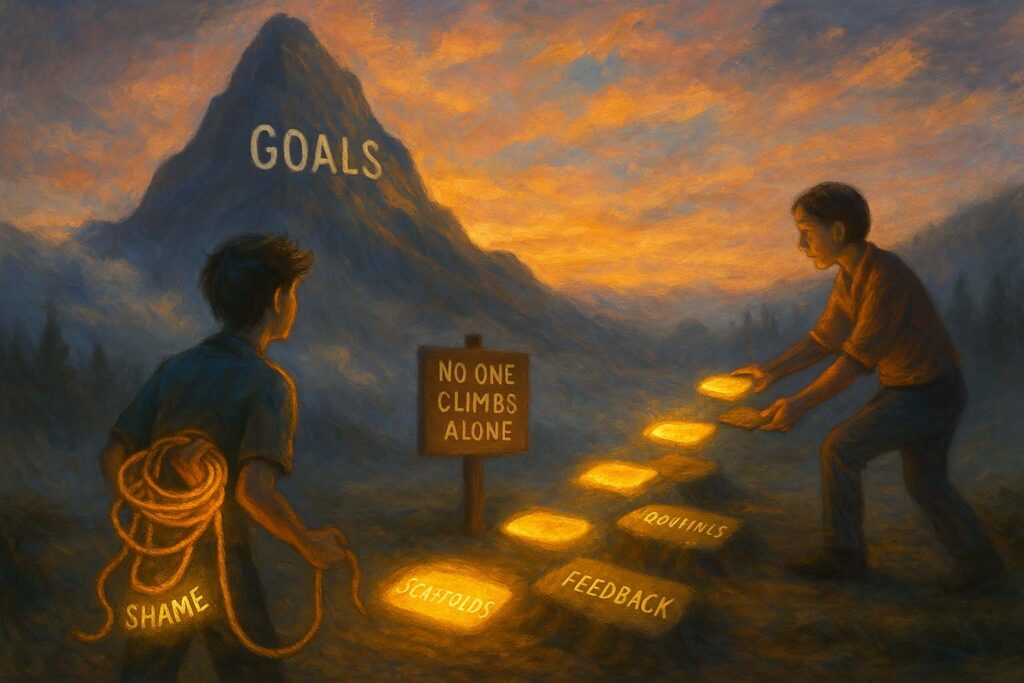
“They just need to set goals and stick to them.”
✅ Truth: Goals without executive function scaffolds often lead to shame spirals in ADHD. People may be deeply motivated — and still struggle to map the steps, hold them in working memory, and transition into action. Sticking to goals requires more than willpower — it requires routines, reminders, built-in feedback, and often someone to walk alongside. Real progress happens when we stop demanding more discipline and start designing better environments.

“They’re too old to still be struggling with this.”
✅ Truth: ADHD doesn’t have a shelf life. Many adults — especially women and high-functioning professionals — aren’t diagnosed until midlife or beyond. That’s because earlier coping strategies may have masked symptoms. But as life complexity grows (careers, caregiving, home management), the hidden cracks widen. ADHD struggles are often lifelong, even if the person looks “fine.” They’re not too old — they’re just finally getting a name for the storm they’ve always lived in.
🌟 Tools Over Shame, Structure Over Blame
Organisation is one of the most common sources of friction — both internally for adults with ADHD and within their relationships. But mess is not a moral failing. Disorganisation, forgetfulness, and unfinished tasks all reflect how the ADHD brain processes time, priority, memory, and motivation. What makes the difference isn’t judgment — it’s empathy, external scaffolding, and habit design. When we stop moralising mess and start collaborating on systems, everything changes — not overnight, but sustainably.
Mon - Fri: 8AM - 6PM
Sat - Sun: Variable
Brisbane North Medical Specialists,
15 Dallas Parade, Keperra, QLD 4054
(07) 5221 3489
reception@bnms.com.au